
Transform Your Body Through Smart Nutrition
Master the fundamentals of men's fitness nutrition and build the physique you deserve with evidence-based strategies and real-world guidance.
The information on this site is for educational purposes only and does not constitute medical advice. Always consult a qualified healthcare professional before making health decisions.
The Science Behind Fitness Nutrition
Understanding these core principles will revolutionize your approach to eating for muscle growth and performance.
Protein First
Protein synthesis drives muscle growth. Aim for 0.8–1g per pound of bodyweight daily to maximize gains.
Calorie Balance
Whether bulking or cutting, understanding your caloric needs is the foundation of any successful nutrition plan.
Micronutrient Density
Vitamins and minerals support recovery, hormone function, and overall health. Quality food choices matter.
Consistency Over Perfection
Long-term adherence to a sustainable plan beats short-term perfection every single time.
Why Protein Matters for Muscle Growth
Protein is the building block of muscle tissue. When you train hard, you create micro-tears in your muscles. Amino acids from protein repair these tears and build them back stronger. This is why adequate protein intake is non-negotiable for anyone serious about building muscle.
Most research suggests consuming between 0.7 to 1.0 grams of protein per pound of bodyweight daily optimizes muscle protein synthesis. This doesn't mean you need exotic supplements—whole foods like chicken, fish, eggs, Greek yogurt, and lean beef deliver all the amino acids your body needs.
Timing matters less than total daily intake, but spreading protein throughout the day (20–40g per meal) keeps your muscles in an anabolic state. Combined with proper training and recovery, this approach produces consistent, sustainable muscle gains.
Read Full Guide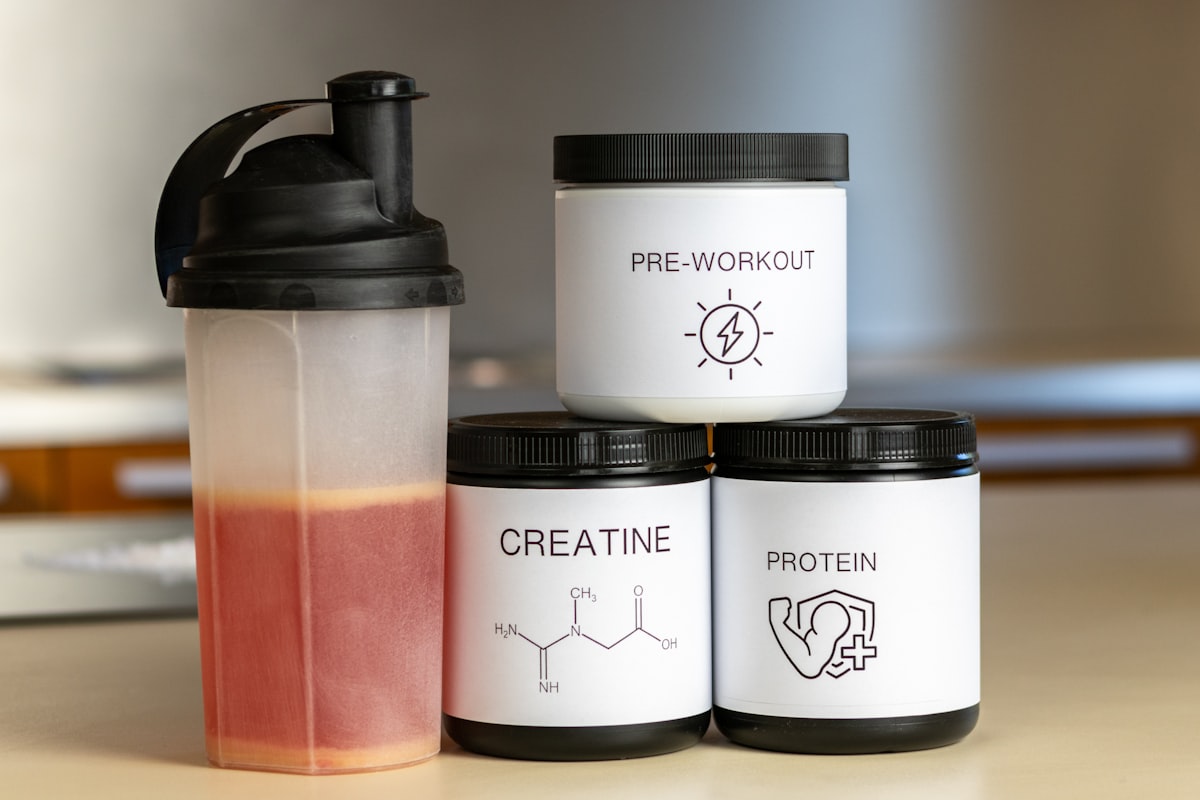
Essential Nutrition Pillars
Whole Food Priority
Whole foods like chicken, rice, vegetables, eggs, and fish should form the foundation of your nutrition. They provide complete nutrition, satiety, and micronutrients that supplements cannot replace.
Aim for 80% whole foods, 20% flexibility for your favourite treats.
Hydration & Recovery
Water supports every metabolic process, from muscle protein synthesis to joint health. Drink at least 3-4 litres daily, more on training days. Proper hydration enhances performance and recovery.
Monitor urine colour—pale yellow indicates adequate hydration.
Sleep & Nutrition Sync
Growth hormone peaks during sleep, when muscle repair happens fastest. Aim for 7–9 hours nightly. Avoid heavy meals 2–3 hours before bed to support quality sleep.
Nutrition and sleep work together—neglect either and results suffer.
Carb Timing Strategy
Carbohydrates fuel intense training and replenish muscle glycogen. Consume carbs around your workouts—before for energy, after to support recovery and muscle growth.
Individual carb needs vary by activity level and goals.
Healthy Fats Matter
Omega-3 and omega-6 fatty acids support hormone production, inflammation control, and brain health. Include avocados, nuts, seeds, fish, and olive oil daily.
Aim for 0.3–0.5g of fat per pound of bodyweight.
Flexible Dieting
Sustainability beats perfection. You don't need to eat the same meals every day. Track macros flexibly, allow room for foods you enjoy, and build a nutrition plan you can follow long-term.
The best diet is the one you'll stick with.
Your 4-Week Nutrition Transformation Plan
Week 1: Assessment & Foundation
Calculate your maintenance calories using your bodyweight, activity level, and goals. Track everything you eat for 7 days without changing anything. This baseline helps identify eating patterns and areas for improvement.
Key action: Download a tracking app, weigh yourself, and take progress photos.
Week 2: Protein Elevation
Increase protein intake to 0.8g per pound of bodyweight. Focus on whole foods: chicken, fish, eggs, Greek yogurt, and lean beef. Space protein evenly across 4–5 meals. You'll feel fuller and preserve muscle during any caloric adjustment.
Key action: Meal prep 3–4 high-protein meals for the week.
Week 3: Carb & Fat Optimization
Adjust carbs and fats based on your goal (bulk or cut). Time carbs around training—larger portions pre and post-workout. Include healthy fats from avocados, nuts, and fish. Monitor energy levels and adjust portions based on hunger and performance.
Key action: Create a simple meal template you can repeat with variations.
Week 4: Consistency & Review
Follow your optimized plan consistently. Track weight, take measurements, and assess energy and strength gains. Make small adjustments only if needed. The goal is building a sustainable system you can maintain for months, not just weeks.
Key action: Review progress photos and adjust calories only by 100–200 kcal if needed.
Meal Prep & Results Showcase

High-Protein Chicken Prep
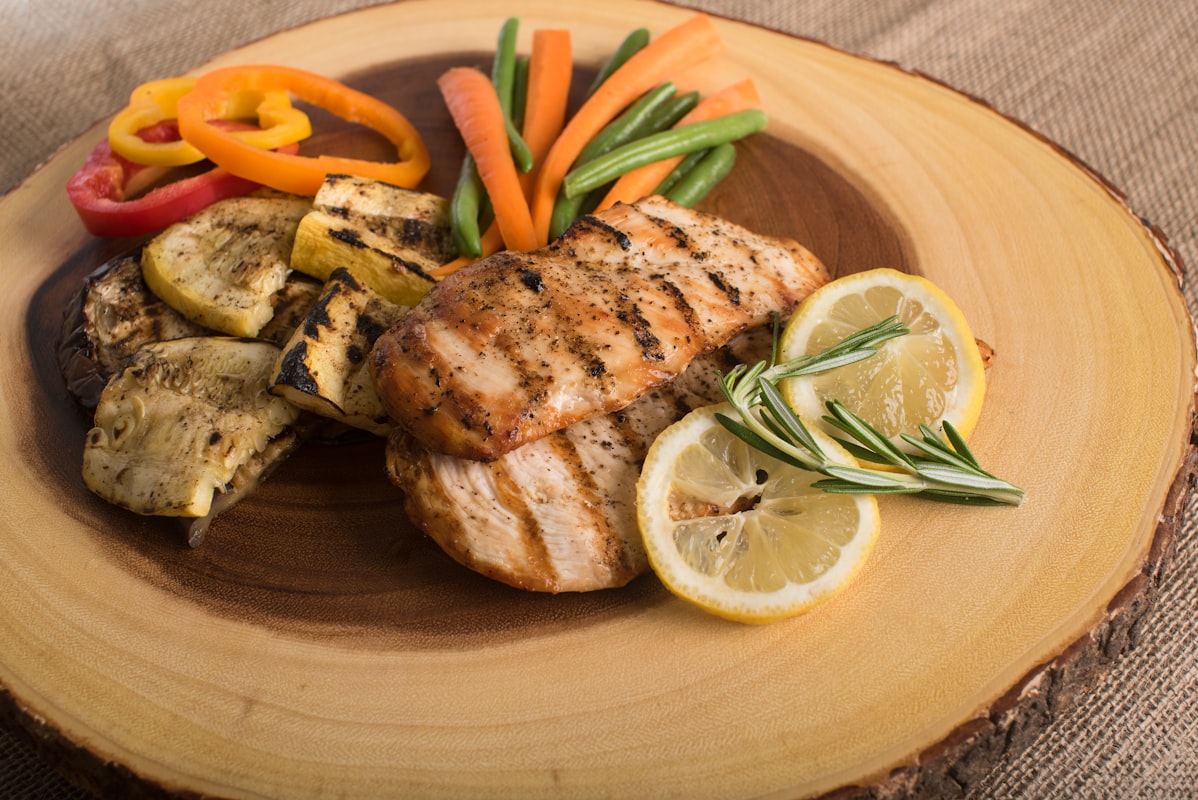
Grilled chicken breast, white rice, and roasted broccoli. A simple, effective meal that delivers 45g protein, 55g carbs, and all essential micronutrients for muscle growth.
Lean Beef Powerhouse
Lean ground beef, sweet potato, and mixed vegetables. Rich in iron, B vitamins, and complex carbs. Provides sustained energy and supports strength gains in the gym.

Salmon Omega-3 Bowl
Wild salmon, quinoa, and leafy greens. Omega-3 fatty acids reduce inflammation, support recovery, and contribute to overall health while delivering complete protein.

Egg-Based Breakfast
Whole eggs, oats, and banana. The ultimate muscle-building breakfast loaded with complete protein, micronutrients, and quick-digesting carbs to fuel your morning training.

Greek Yogurt Snack
Greek yogurt, berries, and almonds. A convenient, portable source of casein protein that digests slowly, keeping you satiated between meals while supporting muscle protein synthesis.

Fish & Vegetable Plate
Baked white fish, brown rice, and steamed vegetables. Low in calories, high in protein, and packed with vitamins and minerals. Perfect for cutting phases while maintaining muscle.
What Our Community Says
"I've always struggled with nutrition—never knew how much protein to actually eat or when to time my meals. The guides here broke it down into simple, actionable steps. Within 4 weeks of following the advice, I gained visible muscle definition. This isn't fluff, it's real, science-backed information that actually works."
Ricky Pratama
Bandung, Indonesia
"What I appreciate most is the focus on sustainability over perfection. Other resources push extreme diets or unrealistic meal plans. Manperfarmance's approach is practical—whole foods, flexible macros, and consistency. I've been following the nutrition plans for 3 months and not only do I look better, I actually enjoy eating healthy now."
Ahmad Syaiful
Jakarta, Indonesia
"I had no idea how to calculate my calorie needs or structure my meals around training. The 4-week plan gave me a clear roadmap. I followed it exactly and the results were incredible—gained 5kg of muscle while staying lean. The science behind each recommendation makes everything click into place."
Budi Santoso
Surabaya, Indonesia
"As someone who's been training for years but never optimized nutrition, this was eye-opening. The meal prep ideas are practical, the macros are explained clearly, and the whole philosophy around consistency resonates with me. I've recommended this to everyone in my gym. Finally, nutrition information that respects your intelligence."
Eka Wijaya
Yogyakarta, Indonesia
Common Questions About Men's Fitness Nutrition
How much protein do I really need daily?
The most commonly cited recommendation for muscle building is 0.7 to 1.0 grams per pound of bodyweight. If you weigh 180 pounds, aim for 126–180g protein daily. This range optimizes muscle protein synthesis without unnecessary excess. Research shows protein intake above 1g per pound doesn't yield additional muscle-building benefits, though some athletes prefer this level for satiety.
Should I count calories or just eat "clean"?
Both matter, but calories are fundamental. Eating clean foods is smart—they're nutrient-dense and satiety-promoting—but if you overeat clean calories, you'll gain fat instead of muscle. Start by tracking calories for 4 weeks to understand your intake, then you can adjust based on weight changes. Once you understand portions, strict tracking becomes less necessary.
Is timing meals around workouts critical?
Meal timing has a smaller impact than total daily intake, but it matters somewhat. Consuming carbs and protein 1–2 hours before training fuels your workout. Post-workout, aim to eat within 2–3 hours to replenish glycogen and support muscle repair. If these timings aren't possible, hitting your daily macro totals is the priority.
Can I build muscle while eating in a calorie deficit?
Yes, but with limits. Beginners and those returning to training can build muscle in a small deficit (200–300 calories below maintenance). Advanced lifters typically need a slight surplus to maximize gains. The key is prioritizing protein (1g per pound), training hard, and accepting slower progress during a cut.
Do I need supplements to build muscle?
No. Whole foods—chicken, fish, eggs, milk, rice, beans—provide everything your body needs. Supplements like whey protein and creatine can be convenient and cost-effective, but they're not essential. Prioritize nailing your nutrition with whole foods first, then consider supplements if needed for convenience or cost.
How do I know if my nutrition plan is working?
Track four markers: bodyweight changes, how your clothes fit, strength gains in the gym, and energy levels. Take progress photos every 2 weeks. If you're gaining strength, your clothes fit better, and energy is good, your plan is working. Weight fluctuates daily due to water and food, so look at weekly averages instead.
Start Your Nutrition Journey Today
Join our community of men committed to mastering fitness nutrition. Explore our detailed guides, meal plans, and science-backed strategies to build the body you've always wanted.
Have questions or feedback about our content? Our editorial team is here to help.
Jalan Malioboro 102, Bandung | [email protected]